Who Are All These People, and Where in the World Did They Come From?
Who Are All These People, and Where in the World Did They Come From?
By John W. Peace II | www.JohnWPeace.com www.BackPorchTalesAndTravels.com
Growing up in Big Stone Gap, Virginia, you get used to recognizing most folks around town. If you don't know somebody, chances are you know their cousin, went to school with their brother, or your papaw bought a truck from their granddaddy.
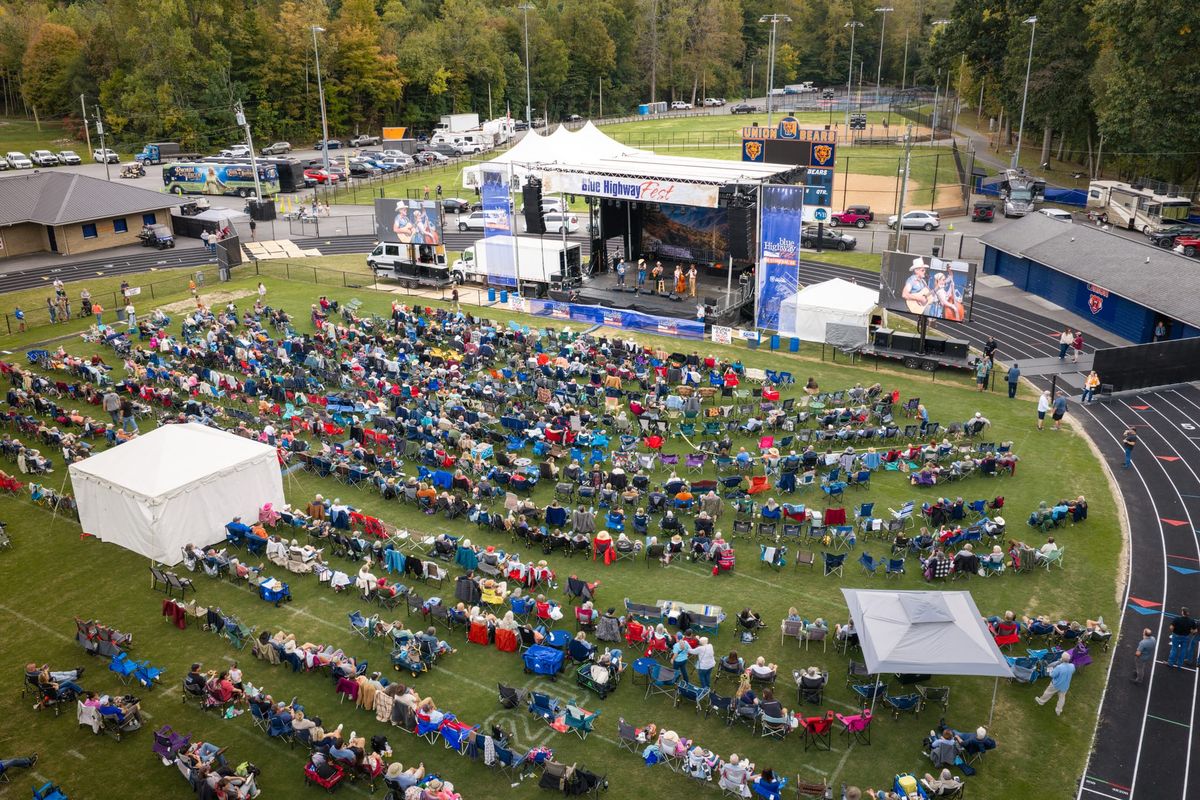
But walking around downtown and Bullitt Park during the fifth annual Blue Highway Fest, October 8–11, I kept seeing faces I'd never laid eyes on before. So I started asking two questions: Where are you from, and how in the world did you hear about Blue Highway Fest in Big Stone Gap?
The answers were almost as interesting as the music.
Sam Dupont, a retired mechanical engineer from Mount Solon, Virginia, near Harrisonburg, was attending his first Blue Highway Fest. But Sam's no newcomer to music festivals. He's attended MerleFest in North Carolina for 25 straight years.
Founded in 1988 to honor Merle Watson, son of legendary musician Doc Watson, MerleFest has grown into one of America's premier roots music festivals. Held annually in Wilkesboro, North Carolina, it celebrates everything from bluegrass and mountain music to gospel, blues, and Americana.
Sam said he'd repeatedly heard the same recommendation from fellow MerleFest attendees: "You gotta check out this wonderful music festival in this mountain town called Big Stone Gap, Virginia!"
After experiencing Blue Highway Fest, Sam said he could see it becoming another MerleFest. That's quite a compliment from somebody who's been attending one of America's best-known roots music festivals for a quarter-century.
Then there's Richard Higginbotham from Biloxi, Mississippi. Retired and an avid bluegrass fan, Richard drives roughly 750 miles to attend Blue Highway Fest. His family has old roots in Wise County, so he combines the music with visiting family, old friends, and squeezing in a round of golf at Lonesome Pine Country Club.
Bluegrass, family, and golf. That's my kind of retirement plan!
Kaleb Dion came all the way from Spokane Valley, Washington. A graduate of East Tennessee State University's Bluegrass, Old-Time, and Roots Music program, Kaleb says the festival has become an annual reunion with fellow ETSU alumni. Imagine that. A college music program in East Tennessee bringing graduates from across the country back to a little festival in Southwest Virginia.
Not far behind Kaleb in the mileage department was Cheryl Rogers from Post Falls, Idaho. Cheryl and her husband retired from California's technology industry and now spend much of their time traveling the country in their AirStream RV, moving from one music festival to another.
This was their first Blue Highway Fest, but Cheryl said it wouldn't be their last. Their next stop after Big Stone Gap? Dollywood. Apparently, you can take the folks out of the mountains, but you can't always take the mountain music out of their travel plans.
One of my favorite conversations was with Steve and his 14-year-old son, Liam, from Chattanooga, Tennessee. Steve grew up listening to bluegrass at his grandparents' house, but Liam discovered it on his own after joining his school band.
Liam said he and his friends call much of today's commercial country music "AI music." They prefer bluegrass because real musicians are still playing real instruments and singing.
Now, when a 14-year-old starts questioning whether Nashville's music is being made by musicians or computers, somebody ought to pay attention.
Steve and Liam first heard about Blue Highway Fest through people they met at Trail Days in Damascus, Virginia. Avid hikers, they explored Big Stone Gap's Greenbelt and Appalachia's Powell River Trail. Steve believes connecting and expanding those trails could someday help the area host a hiking event comparable to Trail Days, alongside the Blue Highway Fest music festival.
And just when I thought Washington State might win the long-distance award, I met Jarda Průcha from the Czech Republic.
Jarda isn't your ordinary bluegrass fan. He's the founder of Průcha Bluegrass Instruments, a family business near Prague that makes handcrafted banjos and mandolins. He'd traveled all the way to Big Stone Gap as a festival vendor, showing and selling his handmade banjos.
Growing up in communist Czechoslovakia, Jarda fell in love with the sound of the American banjo. Unable to buy one, he built his own in 1974 using photographs for guidance. When he couldn't find fingerpicks, he made those from an old tin can.
That's mountain ingenuity, even if the mountains happen to be in Europe.
Today, his instruments and components are used by musicians and instrument makers around the world. And there he was, halfway around the world from home, selling his handcrafted banjos to bluegrass lovers in Big Stone Gap, Virginia.
After talking with these visitors, something became pretty clear. Sam heard about Blue Highway at MerleFest. Richard came for music and family. Kaleb came for old college friends. Cheryl was traveling the country, Steve and Liam found us through hikers, and Jarda followed a lifelong love of bluegrass across an ocean.
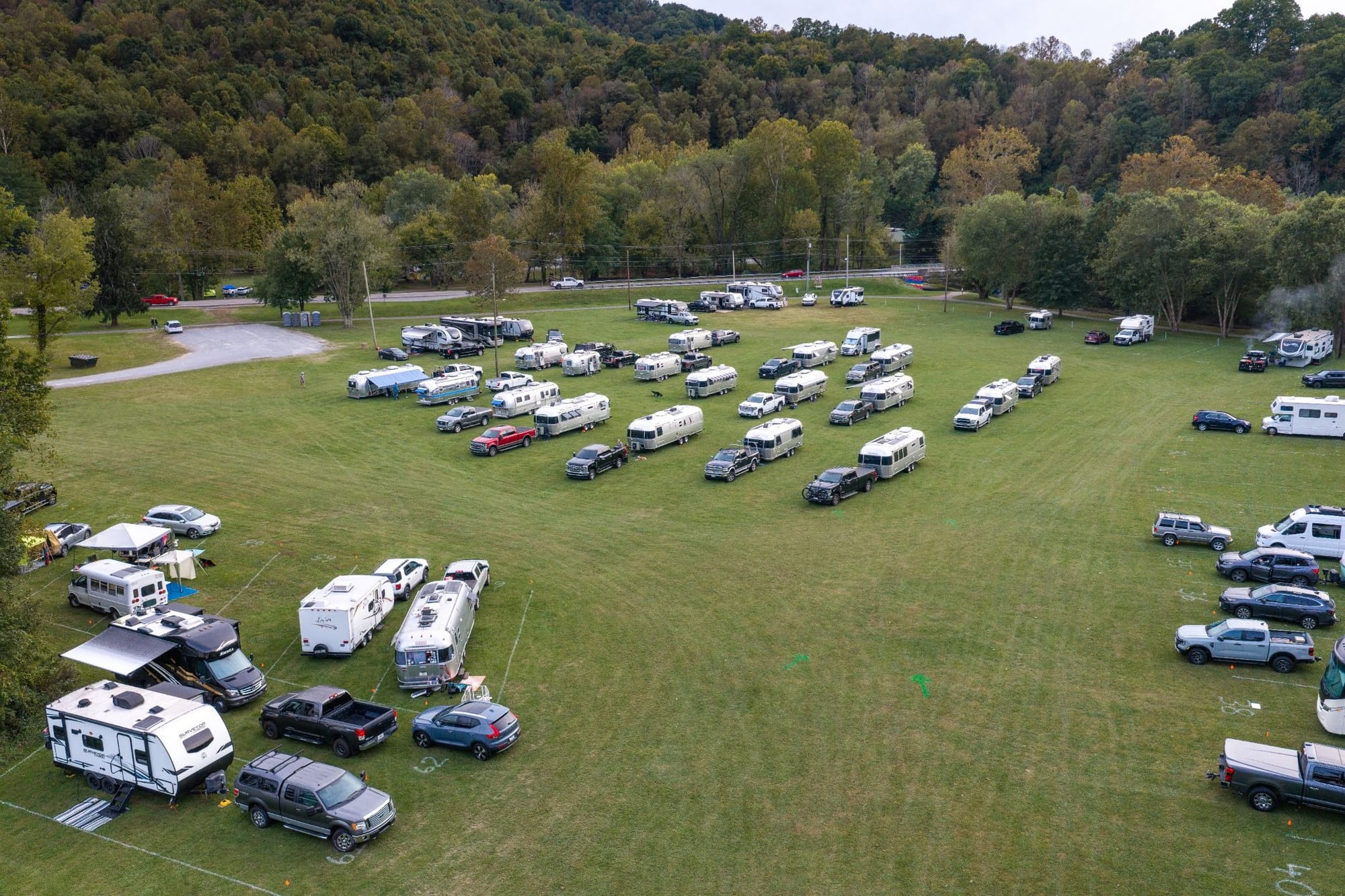
Photo: Blue Highway Fest Campground
Different people, different backgrounds, but they all ended up in the same little mountain town.
For generations, Appalachian musicians carried their music out into the world. Now that music is bringing people back into Appalachia.
Maybe the world already knows something special about these mountains. We just need to give folks a reason to come visit.
Coming next in Part 3: "Who Makes Blue Highway Fest Happen?" We'll meet the vendors, organizers, volunteers, sponsors, and hometown folks who make this festival possible. Because somebody has to do a whole lot of work before the first banjo gets tuned.


Comments ()