Mountain Music or Bluegrass? Come to Big Stone Gap and Hear the Difference
Mountain Music or Bluegrass? Come to Big Stone Gap and Hear the Difference.
By John W. Peace II / www.JohnWPeace.com / www.BackPorchTalesAndTravels.com
Around these mountains, we've been making music a whole lot longer than we've been calling it bluegrass.
Ask an old-timer what his grandparents played and he might just call it mountain music. Fiddles, banjos, old ballads, gospel harmonies and dance tunes were passed from one generation to another, sometimes without anybody knowing exactly who wrote the song in the first place. Didn't matter much. If Papaw knew it, and his papaw knew it, that was copyright enough.
Bluegrass came along later. It developed into its own recognizable style during the 1940s, with Bill Monroe and his Blue Grass Boys helping put a name on it. Bluegrass borrowed from those older Appalachian and Southern musical traditions, then mixed in gospel, blues and a harder-driving sound where individual musicians got a chance to step out front and show what they could do.
There's an easier way to explain it. Mountain music was the old family recipe. Bluegrass was what happened when another generation took that recipe, turned up the heat and started showing off in the kitchen.
Come to Big Stone Gap October 8 through 11 and you'll get a pretty good opportunity to hear what happened next.
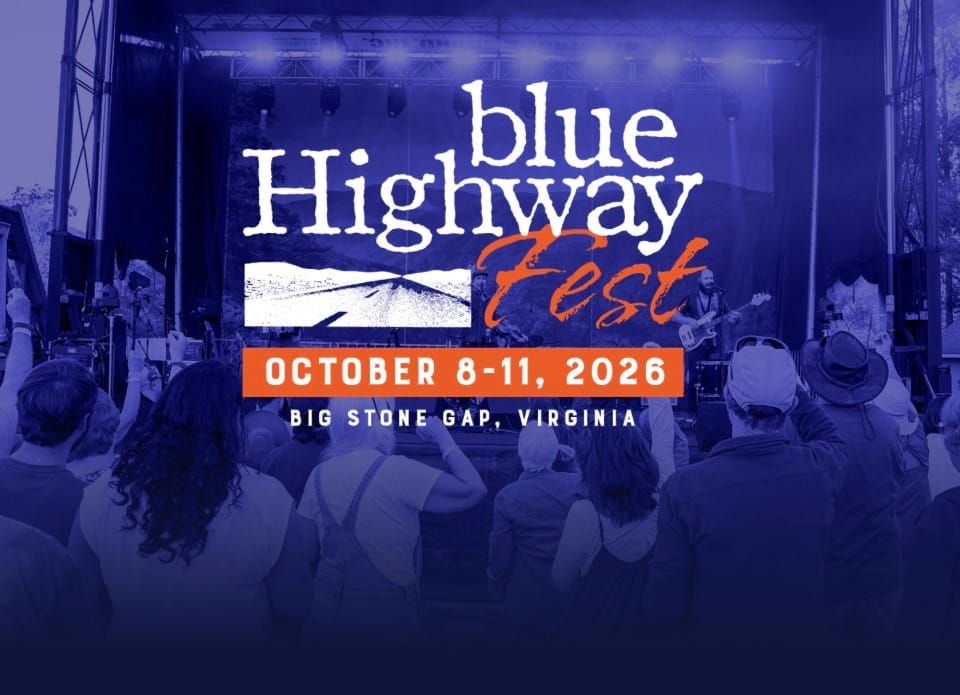
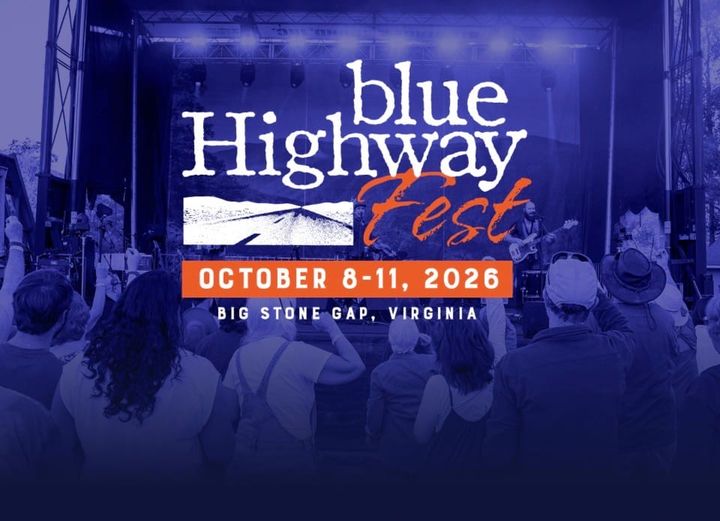
The 2026 Blue Highway Fest returns for four days, bringing some of the biggest names in bluegrass to a little Southwest Virginia town sitting between Powell Mountain and Stone Mountain. They've invited enough banjo players that a fellow might want to check whether his homeowners insurance covers spontaneous clogging.
The Bluegrass Comes Home
This year's lineup includes Blue Highway, Rhonda Vincent & The Rage, Doyle Lawson, Dailey & Vincent, Balsam Range, The Seldom Scene, The Boxcars, The Grascals, Junior Sisk, Authentic Unlimited, Kenny & Amanda Smith, Ralph Stanley II, High Fidelity, NewFound Road, The Cox Family, The Cleverlys and others.
Thursday's music will be on the 3rd Street Stage downtown beside the Big Stone Gap Visitor Center before the festival moves to Bullitt Park Friday through Sunday. There are some special Appalachian connections this year, too, including Ralph Stanley II celebrating the Stanley Brothers' induction into the Country Music Hall of Fame. There's also a writers' round honoring Ronnie Bowman, while Friday brings a reunion of The Boxcars and a Blue Highway performance featuring songs selected by the fans themselves.
For a festival that hasn't been around very long, Blue Highway Fest has made quite a racket.
The inaugural festival attracted about 3,800 people in 2022, and by the week before the 2023 festival, advance ticket sales were already running about 30 percent ahead of the previous year. Then came something few folks probably expected when this whole thing got started: the International Bluegrass Music Association named Blue Highway Fest its 2023 Event of the Year.
That's worth saying again. The award went to a bluegrass festival in Big Stone Gap, Virginia. Not Nashville. Not some sprawling metropolitan entertainment district where parking costs more than supper. Right here in the coalfields.
There's More Than Music Coming to Town
That's where this story gets interesting, because while Blue Highway Fest is certainly about bluegrass, it's also about bringing people into a part of Virginia that spent generations sending things out.
Coal went out by the trainload. Timber rolled out on trucks. And when the jobs got scarce, more than a few of our young people packed their belongings and went out, too.
Blue Highway Fest turns that equation around.
This time, we're bringing people in, and hopefully they're hungry.
Visitors coming to Big Stone Gap for four days of music don't live on fiddle tunes alone. They stay in motel rooms and campgrounds, buy gasoline, eat breakfast, lunch and supper, wander through downtown and discover places they may never have heard of before somebody told them there was one heck of a bluegrass festival happening in a little town in Southwest Virginia.
Some will discover the Southwest Virginia Museum. Some will walk the Greenbelt, drive through Powell Valley or wander into one of our local businesses, visit Appalachia, Norton and towns throughout the region. Others will simply sit around swapping stories with somebody they've never met while waiting for the next band to take the stage.
That's part of what a festival like this can do for a small town. It puts people on the sidewalks, introduces strangers to the community and gives them a reason to remember the name Big Stone Gap after the last banjo has been put back in its case.
And if they leave a little money behind while they're at it, well, we ain't too proud to take it.
Pull Up a Chair
Four-day general admission for the 2026 Blue Highway Fest is $220, with Friday-through-Sunday admission at $165. Single-day tickets are available, too, and children 12 and under get in free with an accompanying adult ticket holder.
There's another part I particularly like. Big Stone Gap residents can purchase festival tickets for 50 percent off at the Visitor Center with proof of residency, subject to the festival's household ticket limit.
That's as it should be. If we're inviting folks from halfway across America to enjoy Appalachian music, the people who live close enough to hear the sound check ought to be able to pull up a chair, too.
Maybe that's the bigger story behind Blue Highway Fest.
Mountain music grew here long before anybody thought about wristbands, ticket packages or tourism campaigns. It was played in homes, churches, at dances and on front porches because that's simply what mountain people did. Bluegrass took pieces of that old music, added a little horsepower and carried it around the world.
Now some of that music, and the people who love it, are coming back home.
For most of our history, Southwest Virginia made money by digging something out of these mountains and sending it somewhere else. Coal, timber and natural resources left by the trainload, and too many of our people eventually followed.
Blue Highway Fest offers a different proposition.
This time, we're keeping the mountains right where God put them and inviting everybody else to come hear what they've been missing.
Comments ()