Sold Out!
How a Coalfield Town Turned Its Musical Heritage Into Something Worth Traveling For
Blue Highway Fest, Part One: How a Coalfield Town Turned Its Musical Heritage Into Something Worth Traveling For
By John W. Peace II / www.JohnWPeace.com www.BackPorchTalesAndTravels.com
BIG STONE GAP, VA. — Sold Out!
Can there be two sweeter words to a little Appalachian town trying to move beyond an economy built on digging coal out of the ground to one that brings people into these mountains to spend their money?
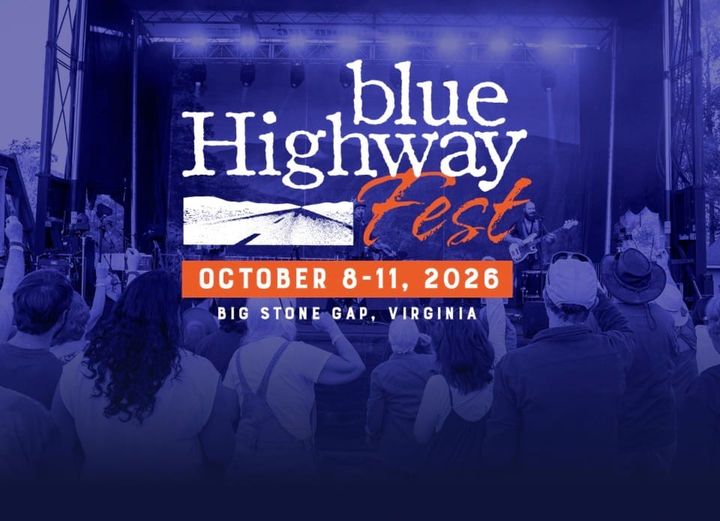
Those words came Thursday, October 8, on the opening day of the fifth annual Blue Highway Fest. Thursday night's performance was sold out, and ticket sales for the three-day festival were running about 35 percent ahead of last year.
Not bad for a town that decided five years ago that maybe the same mountains that provided coal for generations had something else worth selling. Something folks wouldn't have to dig out of the ground, load on a railroad car, and ship somewhere else.
It's called heritage tourism, and around here, we've got a pretty good supply of heritage.
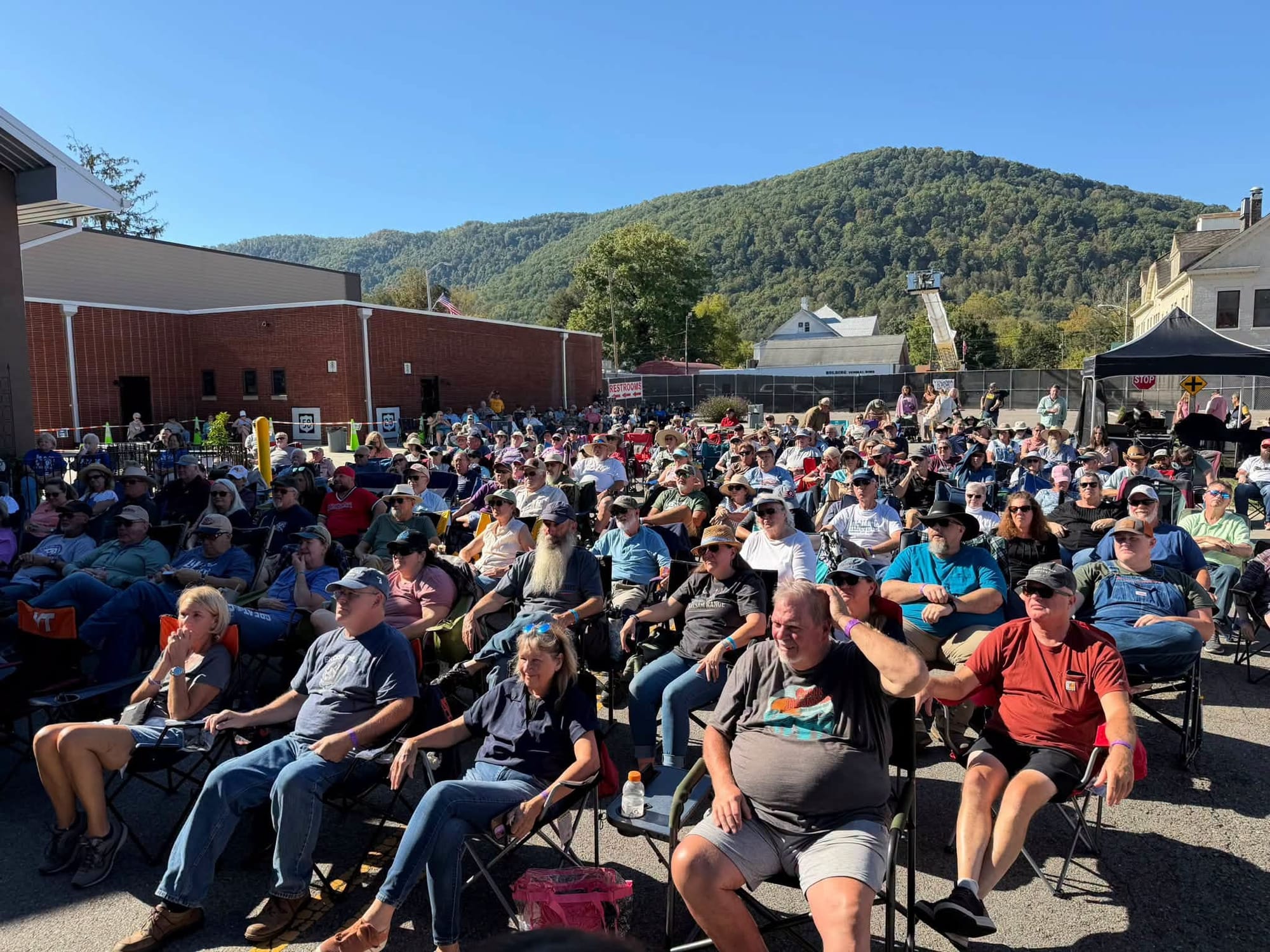
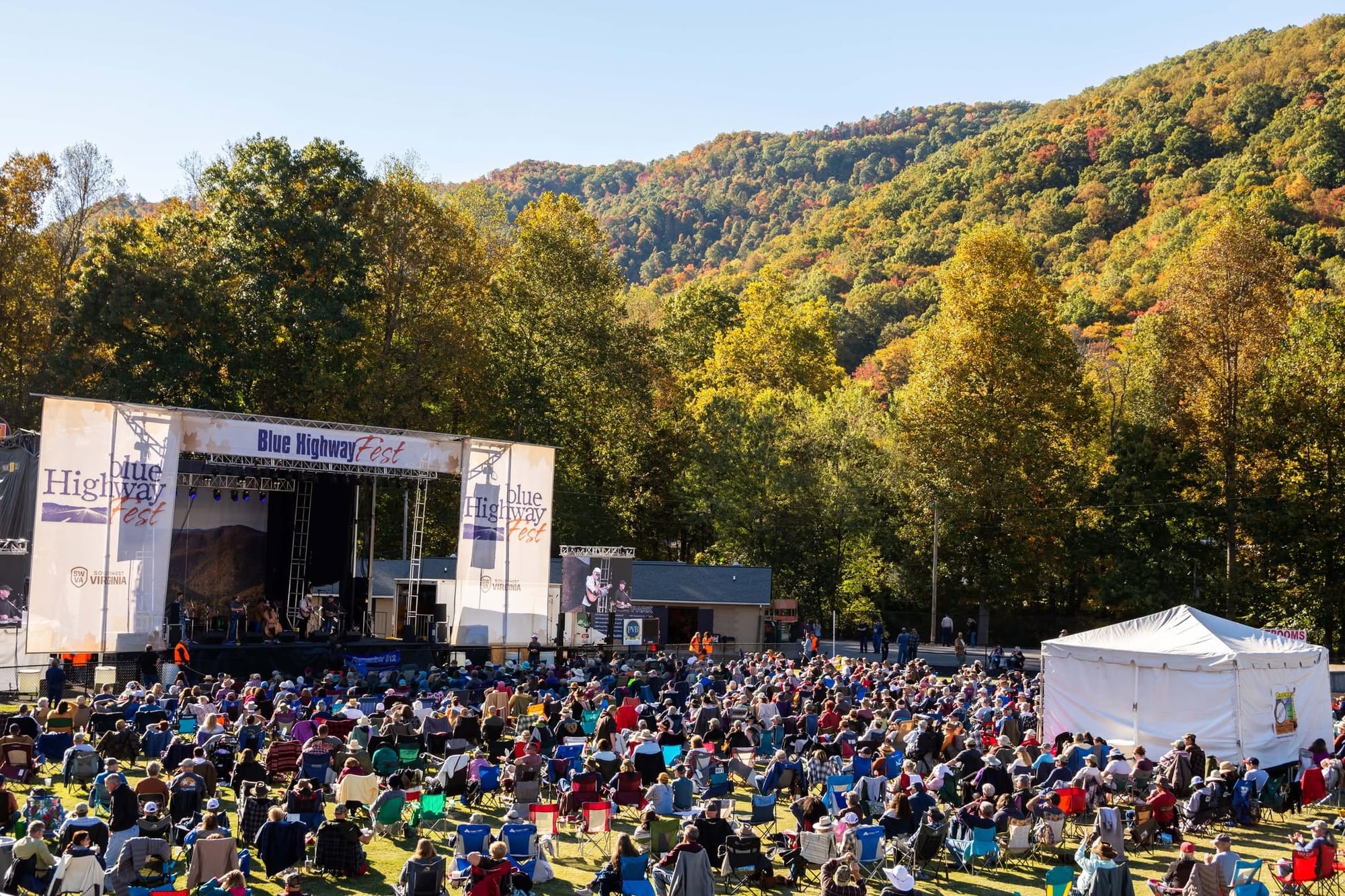
The music festival opens with a Thursday performance at a smaller venue beside the town's Visitor Center (pictured above), right in the middle of downtown Big Stone Gap. That location isn't an accident. With restaurants and local businesses just a short walk away, the opening event gives visitors a reason to explore downtown before the larger performances get underway.
Getting thousands of people to come to town is one thing. Getting them to spend a little money while they're here is another. After all, a fella can't live on banjo pickin' alone. Eventually, he's going to need a hamburger, maybe a cold drink, and someplace to lay his head.
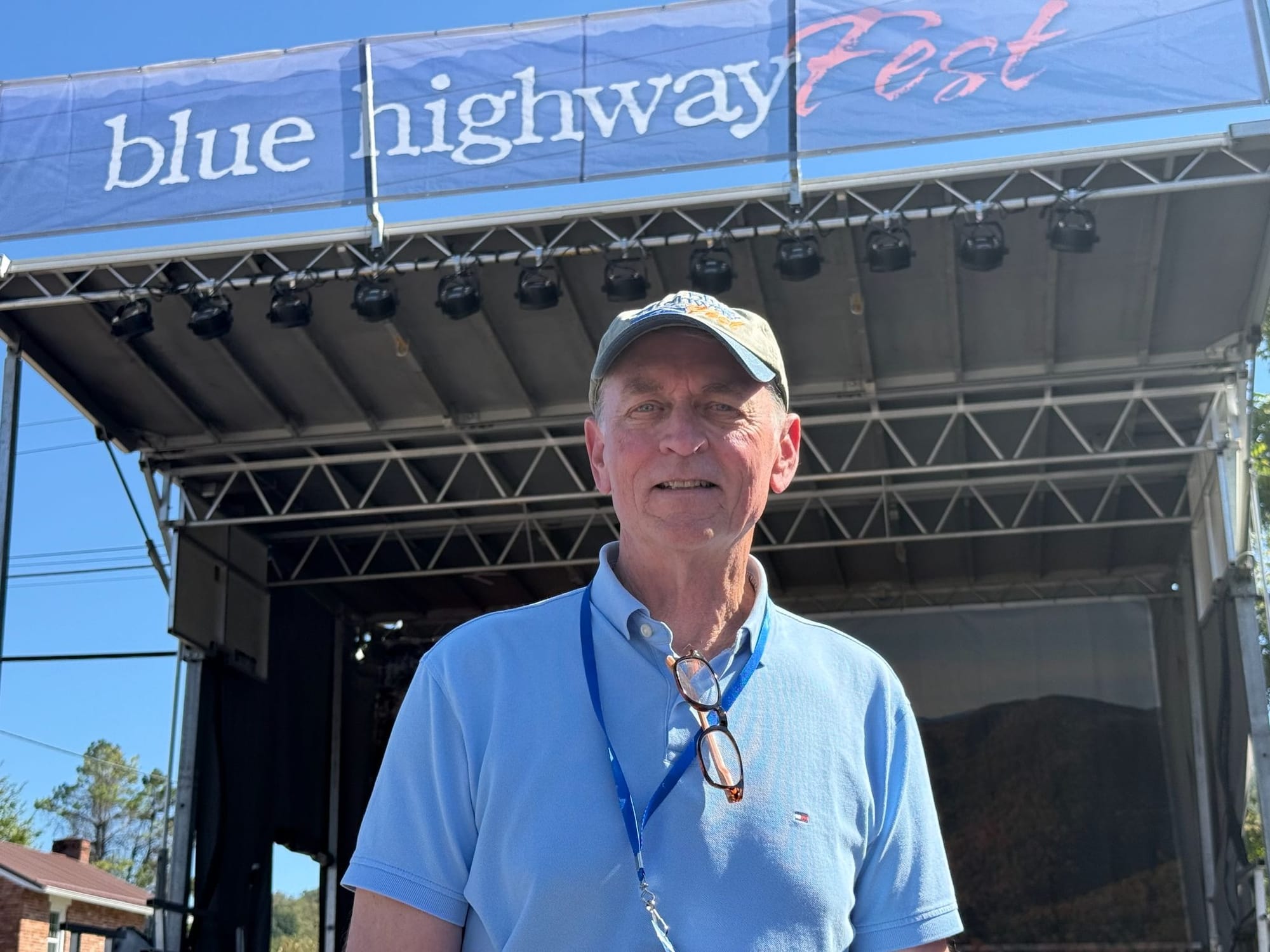
George Roat
Five Years Ago, Somebody Had an Idea
George Roat was one of the people along with Larry Roberts, Town Manager Steve Lawson and others who helped get Blue Highway Fest off the ground. Five years later, he's watching that idea grow into something that has exceeded what many might have expected from a small Southwest Virginia town.
Roat said ticket sales were running approximately 35 percent ahead of last year, with Thursday night sold out and strong demand for Friday and Saturday single-day tickets. That's encouraging at a time when music festivals across the country are facing rising costs and tougher competition for entertainment dollars.
He credits much of the growth to word of mouth and repeat visitors. Apparently, once folks discover Big Stone Gap, some of them decide it's worth coming back.
But putting on a successful bluegrass music festival takes more than finding an empty field, setting up a stage, and telling somebody to bring a banjo.
Blue Highway Fest has built its reputation around a mix of bluegrass legends, established favorites, and newer performers making names for themselves. This year's lineup included Doyle Lawson, a reunion of the Boxcars, a Stanley Brothers tribute featuring Ralph Stanley II, and Balsam Range closing out the festival.
Thursday's songwriter tribute took on special meaning following the death of Ronnie Bowman, with the program adjusted to honor his memory alongside Dan Tyminski.
The festival's namesake band, Blue Highway, has been central to its musical identity, helping bring together some of the most respected names in bluegrass. Roat also credits the people working behind the scenes, including those responsible for putting together a lineup that keeps audiences coming back.
And they're already working on year six. That's a pretty good sign that the idea somebody had five years ago has grown some legs.
Somebody Has to Herd the Cats
Before you can attract thousands of people to Big Stone Gap to hear bluegrass music, you've got to give them somebody worth coming to hear.
That's where Laura Mainer comes in.
Mainer owns Main Attraction Management and serves as the talent buyer and head of artist relations for Blue Highway Fest. She's responsible for booking performers, negotiating contracts, arranging schedules, coordinating hospitality, and generally making sure the musicians show up where they're supposed to be.
She has a simpler description of her job. She's the festival's "cat herder."
Anybody who's ever organized a family reunion knows getting everybody in the same place at the same time can be a challenge. Now imagine those people are professional musicians traveling from all over the country, hauling instruments, equipment, and enough luggage to outfit a small army. And every one of them has a schedule.
Mainer grew up on a family farm near Johnson City, Tennessee, surrounded by the traditional music of these mountains. Her father and grandfather introduced her to bluegrass, and she freely admits to being a "bluegrass nerd."
As a youngster, she'd use Bluegrass Unlimited to find festivals within a hundred miles of Johnson City, figuring out which ones she could attend. She particularly liked the free ones. Back then, she was just a young girl looking for somewhere to hear good music without spending much money.
She eventually became one of the early graduates of East Tennessee State University's Bluegrass, Old Time, and Country Music Studies program. Today, she's booking some of the same musicians she grew up admiring.
Among them are artists connected to Blue Highway, Doyle Lawson, and Adam Steffey, who once taught her mandolin at ETSU and is performing at this year's festival.
That's a pretty good journey for a farm girl who started out hunting free bluegrass concerts.
Her work illustrates something important about the festival's success. People come for the music, but putting together the right lineup takes relationships, experience, and somebody who knows the difference between a good bluegrass band and a great one.
It also helps to have somebody who can keep all those cats headed in the same direction.
From Hokie Country to Bluegrass Country
Of course, even the best musicians in the world aren't going to put on much of a festival without people working behind the scenes.
Hundreds of local volunteers, town employees, and other workers help make Blue Highway Fest possible. Some are local residents who take pride in seeing their hometown succeed. Others come from a little farther away.
Take Cheryl Cox of Blacksburg, Virginia.
For generations, folks from Big Stone Gap and the surrounding coalfields have been making the trip to Blacksburg on fall Saturdays to watch the Virginia Tech Hokies play football. Along the way, they bought gasoline, eaten in restaurants, stayed in hotels, and left a fair amount of Southwest Virginia money in the New River Valley.
Well, here's a little turnabout. Cheryl comes from Blacksburg to Big Stone Gap for bluegrass music, and she doesn't just come to listen. She comes to work.
Cox grew up in Pulaski County, hearing stories about Carter and Ralph Stanley performing around the region. She became a devoted bluegrass fan and followed the band Blue Highway for years. When she heard about the first Blue Highway Fest, she knew she had to attend.
She's been back several times since, and now she's part of the festival's volunteer crew.
Cheryl started volunteering at bluegrass festivals more than a decade ago because it was a pretty good deal. You could get a ticket, a T-shirt, and something to eat in exchange for helping out.
These days, she works so much that she sometimes barely has time to watch the performances. Somewhere along the way, that free ticket turned into a full-time job without the paycheck.
But Cheryl doesn't seem to mind. She's developed friendships with musicians and their families over the years, particularly the members of Authentic Unlimited, her favorite band. She's watched their children grow up and considers the musicians and their wives friends.
That's something you hear repeatedly around bluegrass festivals. The relationship between musicians and fans is often more like an extended family than the usual performer-and-audience arrangement.
Cheryl also mentioned meeting festivalgoers who had driven two days from Kansas to attend. Think about that. People driving across several states to spend a few days in Big Stone Gap, Virginia, listening to music that grew out of these mountains.
Maybe we're onto something here.
A Different Kind of Mountain Treasure
For more than a century, Southwest Virginia's economy depended heavily on what could be taken out of these mountains. Coal provided jobs, built communities, supported families, and helped power the country.
But the coal industry isn't what it once was, and communities like Big Stone Gap have been looking for ways to build a more diversified economy.
Heritage tourism isn't going to replace every coal mining job. Nobody ought to pretend otherwise. But it can bring visitors, support restaurants and small businesses, create opportunities, and give people another reason to invest in these towns.
Blue Highway Fest is one piece of that effort, and its success didn't happen by accident.
Five years ago, a group of people believed a bluegrass festival could help put Big Stone Gap on the map as a music destination. It took organizers, talented musicians, town employees, volunteers, local businesses, and a community willing to give the idea a chance.
On Thursday, October 8, those efforts produced two words every festival organizer loves to hear.
Sold Out!
And judging by the people arriving from places like Blacksburg, Texas, Washington and Kansas, word about this little town in the Virginia coalfields is getting around.
Maybe there's still plenty of treasure left in these mountains. We just need to learn a few new ways of bringing it to the surface.
Comments ()