The Lost Tribe of Appalachia: The Mystery of the Melungeons
When you think about lost tribes or civilizations existing in the 21st century, you immediately think of the remote interior of South America or maybe Africa, which still hasn't had much exploration. But do you think about Big Stone Gap, VA, in Central Appalachia, where I live?
When you think about lost tribes or civilizations existing in the 21st century, you immediately think of the remote interior of South America or maybe Africa, which still hasn't had much exploration. But do you think about Big Stone Gap, VA, in Central Appalachia, where I live? Right here in the U.S. of A?
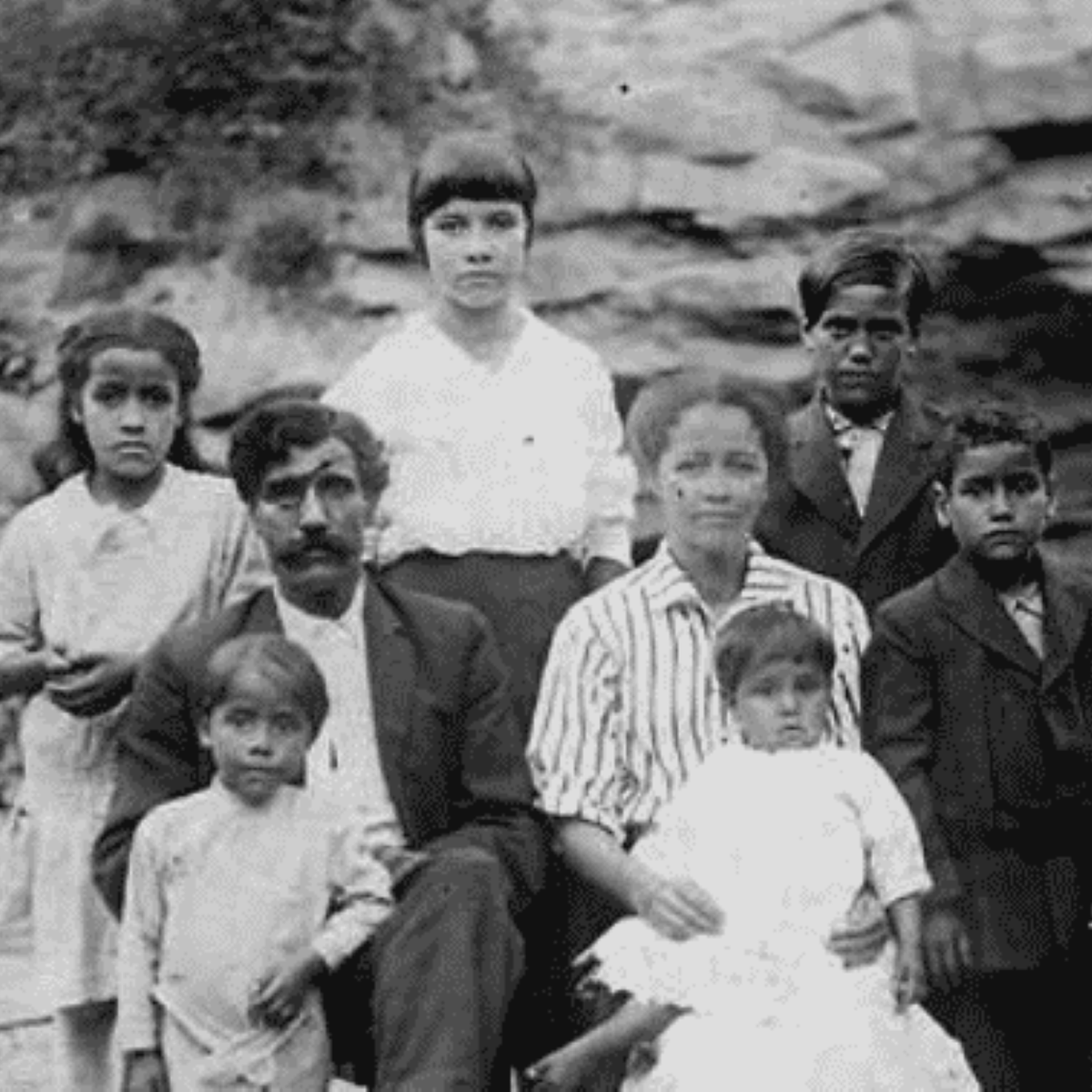
For over two hundred years, mountain folklore across East Tennessee, Southwest Virginia, and Eastern Kentucky has whispered about strange dark-haired people living deep in the hills. Families that outsiders rarely saw. Families with names that appeared in old courthouse records but somehow never seemed to fit neatly into the racial categories America tried so hard to create.
People called them Melungeons.
Depending on who you ask, it is said they are descendants of the Lost Tribes of Israel. Others say they come from the Lost Colony of Roanoke. Some swear they were Portuguese sailors stranded centuries ago in the mountains. Others claim Turkish ancestry, Cherokee bloodlines, or something even older that nobody can quite explain.
The old mountain stories usually started the same way. Somebody would lower their voice and quietly reveal, “That family’s got Melungeon blood in them.” The conversation normally didn’t go much farther.
I grew up vaguely knowing about Melungeons. I heard my great-grandmother talk about mountain tales of black-haired and dark-skinned people living way back in the hollers. Folks who came to town only a few times a year for supplies before disappearing into the hills again. Back then, older mountain people rarely explained much more than that.
In my college years, I started reading the findings of Dr. Brent Kennedy at the University of Virginia's College at Wise and the work being done on Melungeon history, genealogy, and DNA research. Kennedy himself grew up hearing the same whispers as many Appalachian families. What made his work different was that he started openly asking questions that older generations avoided.
What researchers eventually discovered was far more complicated and more Appalachian than the legends themselves. The Melungeons were likely descendants of mixed frontier communities formed long before modern racial lines hardened in America. European settlers, freed Africans, Native Americans, indentured servants, and isolated mountain families blended together in the rough edges of colonial Appalachia, where survival mattered more than census categories.
But old mountain folklore dies hard. My first personal experience happened almost twenty years ago at our family farm store. One day, three men with ebony hair and thick beards walked in. Their appearance was so uncommon, my first thought was they must be visitors from another country…until they started talking.
I have a thick mountain accent myself, but these three brothers somehow carried an even heavier one. The cadence of their speech felt older, weathered by generations, shaped by the hills, and untouched by the modern world. For example, you and I would say, “We came here to buy some fertilizer.” One of these brothers said, “Fertilizer, we came here to buy.”
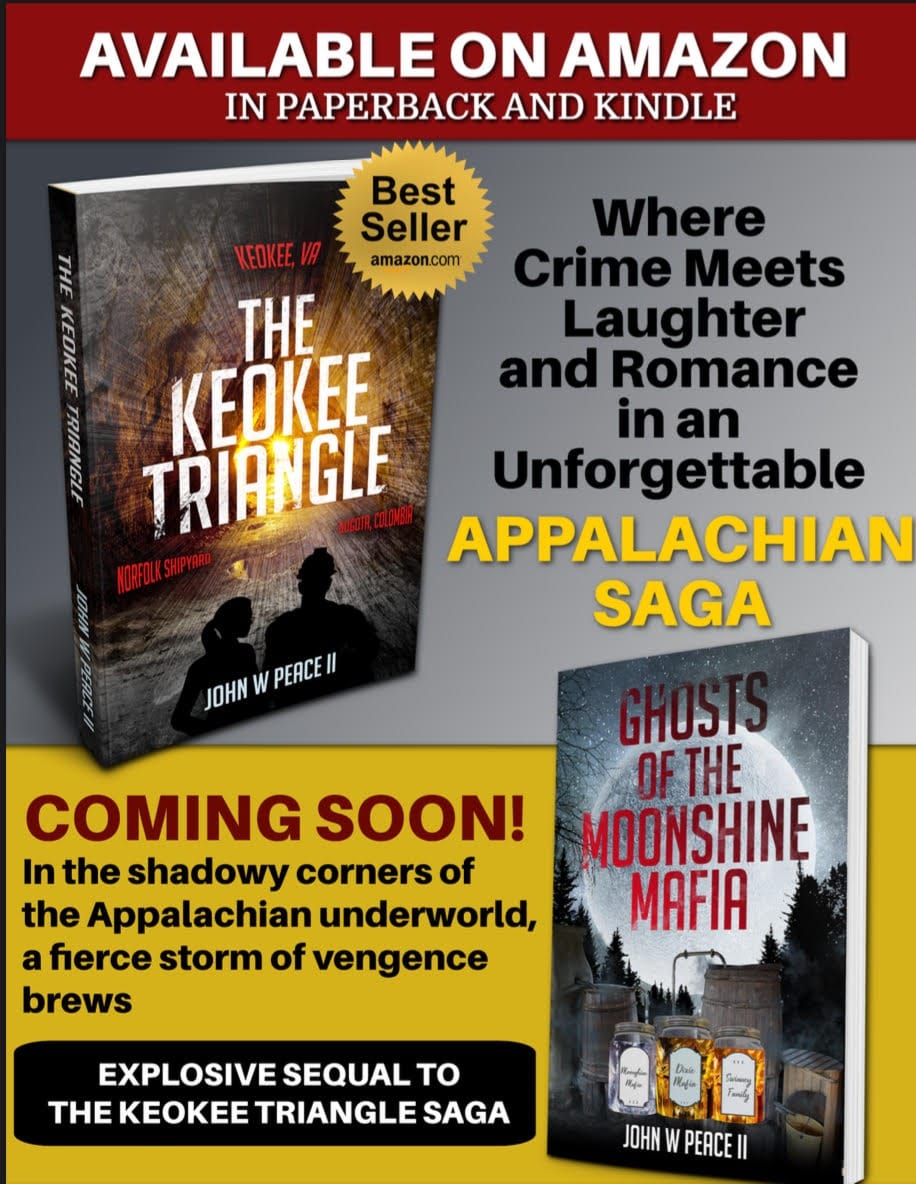
My Papaw was there, and later told me what I’d heard was ‘Mountain Speak.’ It wasn’t just an accent, he said, it was the old Appalachian way of talking, passed down through generations like heirlooms. I still remember the name of this curious man: Jo Denham. I was so mesmerized by his family and the little time I got to spend with them that I named a character after him in my upcoming book, Ghosts of the Moonshine Mafia, as I included a chapter featuring a Melungeon family.
After doing their shopping, these Mulungeon brothers’ pickup truck was already loaded down with supplies, and so they asked if I could deliver the fertilizer they had bought to their home. I quoted them a delivery fee, and they doubled it immediately, explaining they lived nearly an hour and a half beyond any paved road north of Clintwood, VA, and over in Eastern Kentucky. Looking back now, I am awfully glad I accepted.
Even today, the memory feels surreal. I followed them through serpentine logging roads where one dirt trail turned into another. For all the gold in Fort Knox, I could never find that place again from memory. I expected some giant old log cabin hidden in the woods. Instead, we pulled up to a fairly modern frame house sitting deep in the backwoods of the Appalachian mountains.
No electricity lines.No phones.No visible connection to the outside world.
But they had generators, gas grills, satellite dishes run off batteries, and every modern convenience they actually wanted. If you are wondering what they did for a living, let me just say they raised the Appalachian National Forest’s most profitable unofficial cash crop and leave it at that. Bulldog Soda and potash fertilizer grow it mighty well.
Jo introduced me to his wife, Cece, while we unloaded fertilizer into a shed beside the house. We stood around talking coon dogs and mountain hunting stories while the sun started dropping behind the ridges.
What struck me most was how normal everything felt once you got there. They talked about other Melungeon families living farther up the holler and even deeper across the mountain into Kentucky. Families that mostly kept to themselves. Families outsiders still rarely saw.
Driving home that evening through miles of shadowy mountain roads, I remember staring out into those endless ridgelines and thinking something I still believe today: Maybe the mystery of the Melungeons was never really about who they were. Maybe the deeper mystery is how many stories Appalachia has buried within its hills: entire histories, bloodlines, tragedies, and truths that the outside world dismissed, misunderstood, or never cared enough to hear. Those mountains have always hidden more than people realize, and some of their secrets are still waiting in the dark.
https://familytreemagazine.com/us/the-mystery-of-the-melungeons/
https://melungeon.org/in-memory-of-dr-brent-kennedy-founder-of-the-mha/
—--------------------------------------------------------------------------------------------------
From King Coal and the Coal Wars to Woodboogers, Granny Witches, Hillbilly Hoo-Doo, Melungeons, moonshine legends, and mountain folklore, the mountains around Big Stone Gap VA have inspired storytellers for generations.
No wonder this region helped inspire bestselling novels like The Trail of the Lonesome Pine, Adriana Trigiani’s Big Stone Gap books and upcoming television series, and just over the mountain in Harlan, Kentucky, the world of Justified. Experience more Big Stone Gap stories with A Boy From Crackers Neck, The Keokee Triangle and the upcoming Ghosts of the Moonshine Mafia.
Welcome to:“The Big Stone Gap Storyverse in Appalachia”
Where the mountains still remember.


Comments ()