Halloween in Rural America: Back When Tricks Came Before Treats
From Appalachian haints to Midwestern farm pranks, rural America had its own ways of celebrating Halloween.
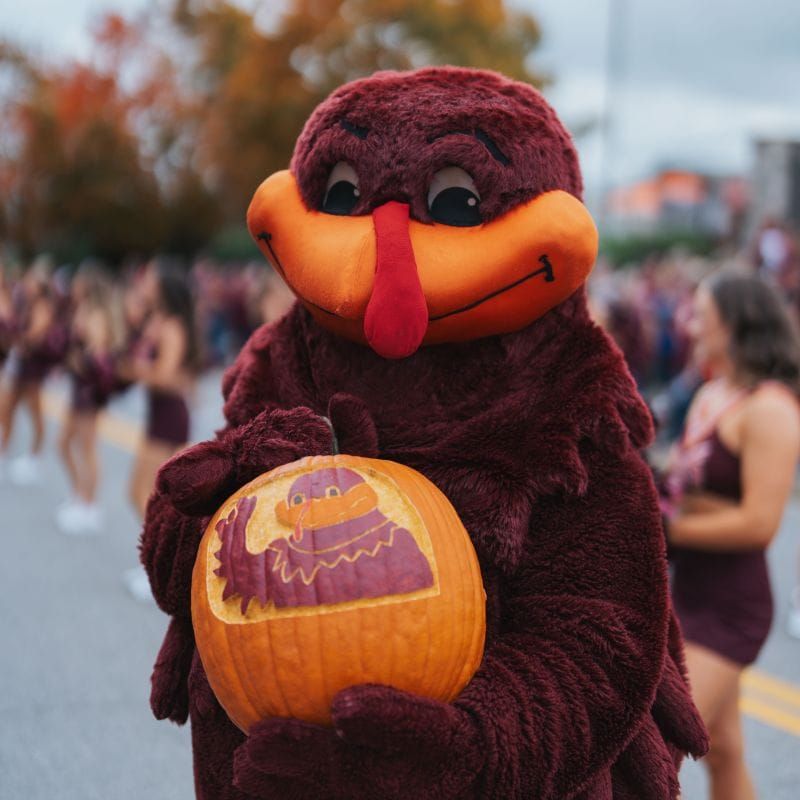
From Appalachian haints to Midwestern farm pranks, rural America had its own ways of celebrating Halloween.
There was a time in rural America when Halloween wasn't about how much candy a young'un could haul home in a plastic pumpkin. It was about how much trouble he could get into without his daddy finding out.
Depending on where you lived, Halloween might mean a barn dance, a ghost story, bobbing for apples, or waking up to find your farm gate missing. Across rural America, folks developed their own traditions, shaped by immigrants, farming communities, superstitions, and a good deal of youthful foolishness.
Long before store-bought costumes and miniature candy bars, people made their own entertainment. Some of it was spooky, and some could get you a switching.
New England: Cabbages and Courtship
Up in New England, Irish and Scottish immigrants brought Halloween customs across the Atlantic, including some unusual ways of predicting marriage.
Young women peeled apples, tossed the peelings over their shoulders, and studied the shapes, hoping to discover their future husbands' initials. Others looked into mirrors by candlelight, believing they might glimpse the man they'd marry.
Now, I reckon if a young woman saw some old boy she'd already turned down twice, she'd probably blow out that candle and try again.
In parts of New England, October 30 became known as Cabbage Night. Youngsters pulled cabbages from gardens and tossed them onto porches. It wasn't neighborly, but it beat dragging somebody's wagon up a hill.
Appalachia: Haints and Haunted Hollers
Down here in Appalachia, we didn't need Halloween to hear about ghosts. We had haints, strange lights, haunted hollers, and enough warnings to make a young'un think twice about going outside after dark.
Mountain families passed these stories down through generations. Granny might sit beside a coal stove telling about a woman in white walking an old road or something scratching at the door after midnight.
Whether she believed every word didn't matter. By the time she finished, nobody volunteered to fetch another armload of firewood.
Halloween gave those stories a special night, although mountain ghost tales were told year-round. And if Granny warned you not to whistle in the woods after dark, you generally listened. No sense inviting trouble when you already had enough.
The Midwest: Wagons, Outhouses, and Missing Gates
Across the farming country of Ohio, Indiana, Illinois, and Iowa, Halloween developed a reputation for practical jokes.
Some communities called October 30 Gate Night. Farm gates disappeared, wagons turned up in unusual places, windows got soaped, and occasionally somebody's outhouse was relocated without permission.
Moving an outhouse might sound funny until somebody has to put the blamed thing back. A farmer already had enough chores without adding outhouse recovery to the morning list.
Not every prank was harmless. Property damage became troublesome enough that schools and community groups began organizing parties and handing out treats instead.
Turns out giving a boy a popcorn ball was cheaper than replacing a broken window.
Pennsylvania and New Jersey: Mischief Night
In parts of Pennsylvania and New Jersey, October 30 became known as Mischief Night.
Youngsters soaped windows, scattered toilet paper, and played tricks on neighbors. What one community considered harmless foolishness, another called vandalism.
There was a fine line between having fun and making somebody mad enough to come out carrying a broom. Most young'uns knew where that line was, although knowing and respecting it were two different matters.
The South: Harvest Suppers and Homemade Costumes
Across the rural South, Halloween mixed with harvest celebrations, school parties, and church gatherings.
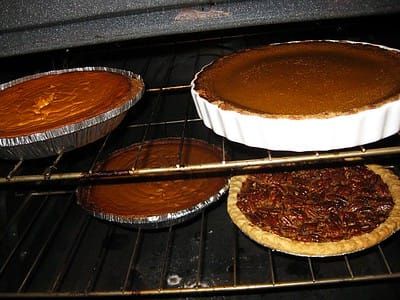
Families enjoyed games, homemade refreshments, apples, roasted nuts, popcorn balls, and cakes. Churches and schools sometimes organized celebrations as alternatives to neighborhood pranks.
Costumes came from whatever was around the house. An old bedsheet made a ghost, Daddy's worn-out overalls made a hobo, and a little soot could turn a perfectly ordinary young'un into somebody his own mother might not recognize.
There was usually enough food to make a fellow regret eating supper before leaving home.
The West: Halloween on the Frontier
By the late 1800s, Halloween had traveled west with settlers and their traditions. An Idaho Territory newspaper reported a Halloween ball in 1887.
In communities where neighbors lived miles apart, dances and parties offered a chance to gather, play games, share refreshments, and enjoy the same fortune-telling customs practiced back East.
The holiday had crossed an ocean and a continent, picking up new habits along the way.
When Candy Replaced the Tricks
By the twentieth century, Halloween was changing. The phrase "trick or treat" appeared in North American newspapers during the 1920s, and the custom spread widely after World War II.
Homemade costumes gave way to store-bought outfits, and packaged candy gradually replaced apples, nuts, cookies, and popcorn balls.
Somewhere along the way, America made a bargain with its young'uns. Instead of moving the neighbor's outhouse, they'd knock on his door, say three magic words, and get something sweet.
Today, haunted hayrides, Appalachian ghost stories, church harvest suppers, and small-town parties keep pieces of those traditions alive.
And somewhere in rural America, I wouldn't be surprised if an old farmer still checks his farm gates on November first.
Just to be sure.
Back Porch Tales & Travels – There's Always Room on the Back Porch.
John W Peace II
About the Author: John W. Peace II is a two-time Amazon bestselling author, syndicated feature writer, and fifth-generation farmer from Big Stone Gap, Virginia. As publisher of Back Porch Tales & Travels, he shares the stories, history, folklore, and traditions of Appalachia and rural America, celebrating the people and places that make small-town America special.
Comments ()