Corn Shuckin' Time
When a Red Ear of Corn Was Worth a Kiss
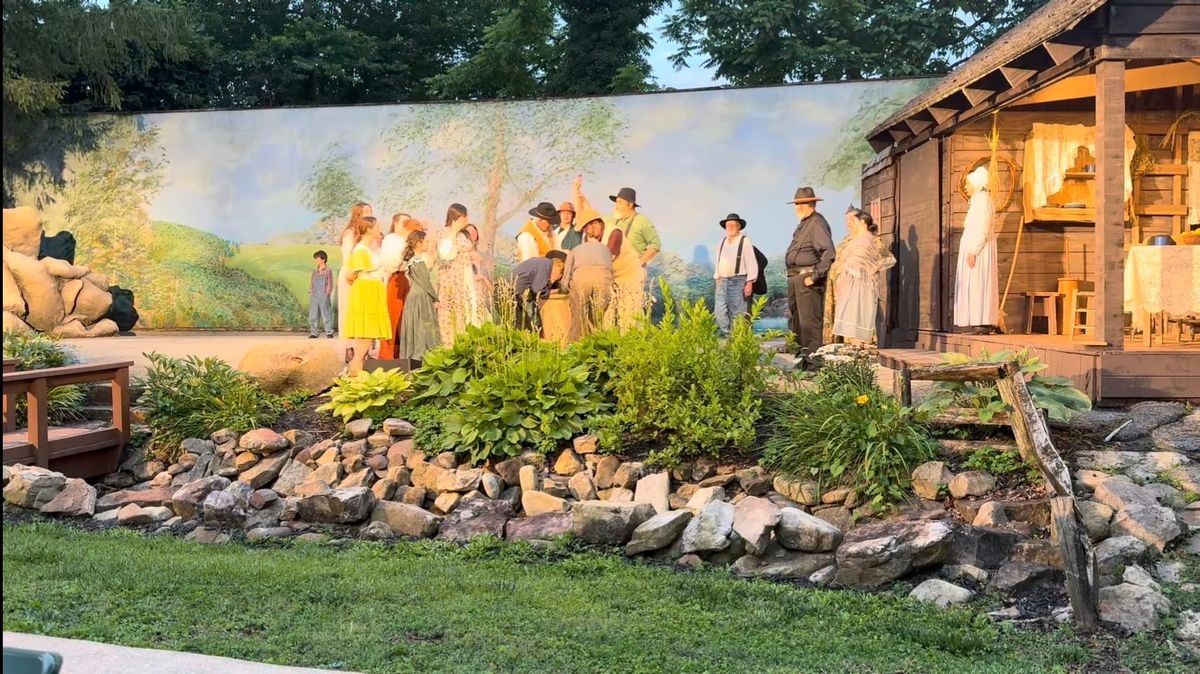
Homecoming Scene From ‘The Trail of the Lonesome Pine Outdoor Drama’Tap to view!Google Photos
When a Red Ear of Corn Was Worth a Kiss
If you've ever watched The Trail of the Lonesome Pine outdoor drama in Big Stone Gap, Virginia, there's a scene during the Homecoming that can get a crowd grinning before anybody says much of anything.
There's corn to be shucked, and somewhere in that pile is a red ear. According to the old custom portrayed in the scene, the first young man lucky enough to find it gets himself a prize. He gets to kiss the prettiest girl there.
Now, I don't know who was responsible for deciding which girl was the prettiest. That sounds like a mighty dangerous job in a small Appalachian community. Finding the red ear might've been the easy part.
But the scene isn't just some mountain foolishness dreamed up for the stage. It reaches back to a real fall tradition once common across Appalachia and much of rural America.
It was corn shuckin’ time.
Long before combines rolled through fields, and long before you could knock out a day's work sitting in an air-conditioned cab listening to George Strait, getting the corn crop put away took hands. Lots of 'em.
After the corn matured and dried in the field, it was gathered and hauled to the barn or corn crib, often still wearing its shuck. What one family might spend days doing could go considerably faster if the neighbors showed up, so that's exactly what happened.
Come evening, folks gathered around great piles of corn, stripping away the dry shucks and tossing the clean ears toward the crib. There might be singing, storytelling, teasing and enough gossip to keep three mountain communities supplied until Christmas.
Then somebody would holler, "RED EAR!"
The custom varied from place to place, but finding a red ear usually earned some sort of kissing privilege. Sometimes the lucky fellow kissed the girl beside him. Somewhere else he might choose the girl himself. And in some Appalachian communities, he got to kiss the prettiest girl there.
Old accounts describe girls running, boys chasing and everybody laughing. Apparently our ancestors had figured out how to turn agricultural labor into a contact sport.
And I'd wager more than one enterprising mountain boy inspected the corn pile ahead of time. One Kentucky account even recalls a mischievous young fellow slipping red ears into his pockets before a shucking, then producing one when the opportunity seemed favorable.
That boy wasn't farming. He was investing. I’ll pull a quote and modify it a ‘little’ from one of my favorite books, “A man who wouldn't cheat for a ‘kiss’ don't want one bad enough.” — Augustus “Gus” McCrae, Lonesome Dove
Of course, there was considerably more to a corn shucking than stealing a kiss. These gatherings belonged to a larger rural tradition of neighbors helping neighbors. Barn raisin's, hog killin's, apple butter makin's, molasses stir-offs and corn shuckin's all accomplished work that had to be done before winter.
But they accomplished something else too. They brought people together.
On isolated farms scattered through rural America and here in Appalachian valleys and hollers, there weren't restaurants on every corner, Facebook groups or dating apps. You saw your neighbors at church, the country store, school gatherings or when somebody needed help.
So work became social life.
When the last ear was shucked, there might be chicken and dumplings, beans, cornbread, pumpkin pie, apples and cider waiting. Somebody might bring out a fiddle or banjo, furniture got pushed back, and folks who'd spent half the evening working somehow discovered enough energy for a little dancing.
Mechanization eventually changed all that. One machine could do what once required half the neighborhood, and there's no sense pretending anybody particularly misses shucking several thousand ears of corn by hand.
But efficiency always sends somebody a bill.
The corn still got shucked. The neighbors just didn't have to come anymore.
Somewhere along the way, the big corn pile disappeared, the fiddle went back in its case, and the girls didn't have to wonder who was going to find that red ear.
But every summer in Big Stone Gap, The Trail of the Lonesome Pine brings a little of it back. There's the Homecoming, the corn and somewhere in that pile, a red ear.
For a few minutes, an old piece of rural America lives again, the work, the laughter, the courting and neighbors gathered together.
Maybe our grandparents weren't shucking corn the hard way after all.
Maybe we've been doing it the hard way ever since we quit shuckin’ it together.
More about ‘The Trail of the Lonesome Pine Outdoor Drama’: https://back-porch-tales-travels.beehiiv.com/p/from-big-stone-gap-to-hollywood-the-enduring-legacy-of-the-trail-of-the-lonesome-pine
Email: BackPorchTalesAndTravels@gmail.com www.BackPorchTalesAndTravels.com

Comments ()