The Granny Witches of Appalachia
America's Forgotten Tradition of Healers, Seers, and Mountain Magic
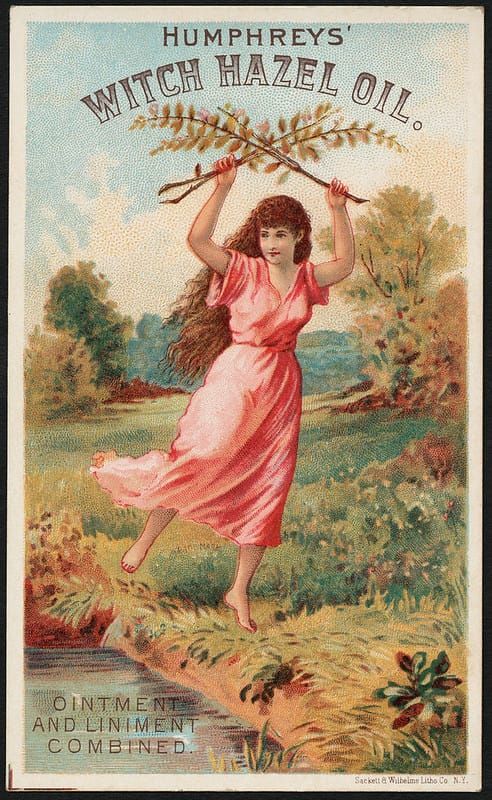
History and Hollywood have made sure most folks know about the Salem Witch Trials. We've all seen the movies: horror stories filled with witches flying across the night sky on broomsticks, casting spells and stirring up trouble. We've heard the stories from New Orleans, too: voodoo queens, mysterious potions, and fortunes told in dark rooms lit only by flickering candlelight. But what most Americans don't know is that the Appalachian Mountains had their own witches.
They weren't the kind you saw in the movies. Most lived in small houses tucked back in a holler somewhere. They raised gardens, went to church, cooked supper for their families, delivered babies as a midwife, and helped neighbors when they were sick. Around Appalachia, folks usually called them Granny Witches or Women, though some simply called them Grannies.
If you grew up in the Appalachian Mountains, chances are you knew one, or at least knew somebody who swore by one. She wasn't flying around on a broomstick. More likely she lived up a gravel road, kept a patch of herbs behind the house, knew how to stop a burn from blistering, settled a cough, delivered a baby, or could tell if bad weather was headed your way. Long before urgent care clinics and specialists, Granny Women were often the closest thing mountain folks had to a doctor.
Growing up in 1980s in Big Stone Gap, Virginia, I heard stories about Granny Women all my life. Back then we had a local doctor who was about as respected as any man in town. He was smart, graduated near the top of his class at the Medical College of Virginia, and believed in science. He wasn't the sort of fellow you'd expect to put much stock in mountain folklore and maybe a little magic.
Yet now and then, when he'd done everything medicine knew how to do and a patient still wasn't improving, he'd send them to see a Granny Woman who lived over in East Stone Gap. Her little house sat down across the river near the highway overpass. Folks came from all over to see her.
I asked him about it one time.
He smiled and said, "When you've used all that medical science can offer, and you're still not getting the results you need, sometimes you reach out to those with spiritual gifts."
That answer stuck with me.
The thing is, Granny Women occupied a place somewhere between healer, counselor, midwife, herbalist, and spiritual guide. Mountain people trusted them because generation after generation claimed they'd seen Granny Women help folks when nobody else could.
The roots of those traditions run deep. Some came with the Scots-Irish settlers who crossed the ocean carrying old folk beliefs from Ireland and Scotland. Some came from Native Americans who understood the healing properties of plants growing in these mountains. Historians also point to African influences that blended into Appalachian culture over the centuries. What emerged was something uniquely Appalachian, part faith, part folk medicine, part mountain wisdom, and part mystery.
A Granny Woman might gather ginseng, bloodroot, black cohosh, or sassafras. She might brew a tea for a cough, mix up a poultice for a wound, or offer a prayer for a sick child. In many communities she was the person folks called when a baby was on the way or when a loved one was nearing the end of life's journey.
Not all Granny Women were known for healing. Some were said to have "the gift." Mountain people talked about second sight, prophetic dreams, and visions of things yet to come. Some Grannies read palms. Others read tea leaves. Plenty of old-timers swore they knew women who could sense trouble before it arrived or dream about events before they happened.
Believe it or don't. Mountain folks have been arguing over that one for generations.
Those stories fascinated me enough that I borrowed from them when writing my novel, The Keokee Triangle. One of the characters is a Granny Woman whose mother and grandmother before her shared the gift of vision. She occasionally catches glimpses of the future and finds herself carrying knowledge of actions that need to be done. The character is fiction. The stories that inspired her are not.
There was another tradition surrounding Granny Women that says a lot about old Appalachia. You weren't supposed to hand them money. If a Granny helped your family, you brought something in return. Maybe it was fresh eggs, a ham, a basket of apples, canned beans, a quilt, or whatever you had to spare. The gift wasn't payment so much as a sign of respect.
Some folks even believed exchanging money could weaken the gift.
Now whether that's true or not, I couldn't tell you. But I can tell you that barter, trade, and neighbors helping neighbors were once as common in these mountains as church on Sunday.
Most of the old Granny Women are gone now. Modern medicine replaced much of what they did, and a lot of their knowledge went with them. Still, traces remain. You hear it in family stories. You see it in home remedies scribbled on old recipe cards. Every now and then you'll meet somebody who'll lower their voice and tell you about a Granny they knew growing up.
For all the books written about Salem and all the movies made about New Orleans, the mountains have stories of their own. Stories about women who healed the sick, read the signs, dreamed strange dreams, and helped their neighbors through hard times.
Around here, folks simply called them Granny.
—---------------------------------------------------------------------------------------


From King Coal and the Coal Wars to Woodboogers, Granny Witches, Hillbilly Hoo-Doo, Melungeons, moonshine legends, and mountain folklore, the mountains around Big Stone Gap, VA have inspired storytellers for generations.
No wonder this region helped inspire bestselling novels like The Trail of the Lonesome Pine, Adriana Trigiani’s Big Stone Gap books and upcoming television series, and just over the mountain in Harlan, Kentucky, the world of Justified. Experience more Big Stone Gap stories with A Boy From Crackers Neck, The Keokee Triangle and the upcoming Ghosts of the Moonshine Mafia.
Welcome to:
“The Big Stone Gap Storyverse in Appalachia”
Where the mountains still remember.

Comments ()